Roma
No other capital was founded by looking up.
It is called Roma because that is where it was born.
No metaphor and no concept. The first series carries the name of the city where it was designed, photographed and put on sale: that is the whole reason for the name.
What we found afterwards we had not gone looking for. That the city was founded by counting birds of prey in flight. That auspicio means, literally, to watch the birds. That thirty kilometres away there is another one, built on purpose for the wind. It was already there.
No other capital was founded by looking up.
Romulus and Remus did not fight a duel for the city. They climbed two hills and counted the birds of prey passing overhead. Remus saw six, Romulus twelve, and the city went to the one who had counted more.
It is not a picturesque detail added for colour: it is the founding act. Rome exists because two people looked up and counted what was flying.
From that practice come two words we still say today without knowing where they come from.

The city, worn.
14 shots · open to enlargeOne day in July, from early morning on the terrace to late afternoon in the back streets. No studio and no backdrop: the frames were photographed where the collection took its name.


Thirty kilometres away there is a city built for the wind.
Guidonia was born in the nineteen-thirties with a single purpose: to put aircraft inside moving air and watch what happens. Wind tunnels, test chambers, runways. Not a district and not a plant: a whole town, founded to measure the air.
Every Flyper frame spends two hundred and fifty hours in the wind tunnel before it is given a number. The idea that a whole place could be built to do only that had already occurred to someone here.

The city, with no one in it.
Scroll → · 6 shots


Four clips, one single story.
A film was shot alongside the stills, in the same places on the same day. Four clips that, cut in sequence, tell a single story. Shot in cinema format, they open full screen.
Five models, five flights.
Every frame in the series carries the name of a bird of prey or an aircraft, and beside it the story of the person who made that flight.
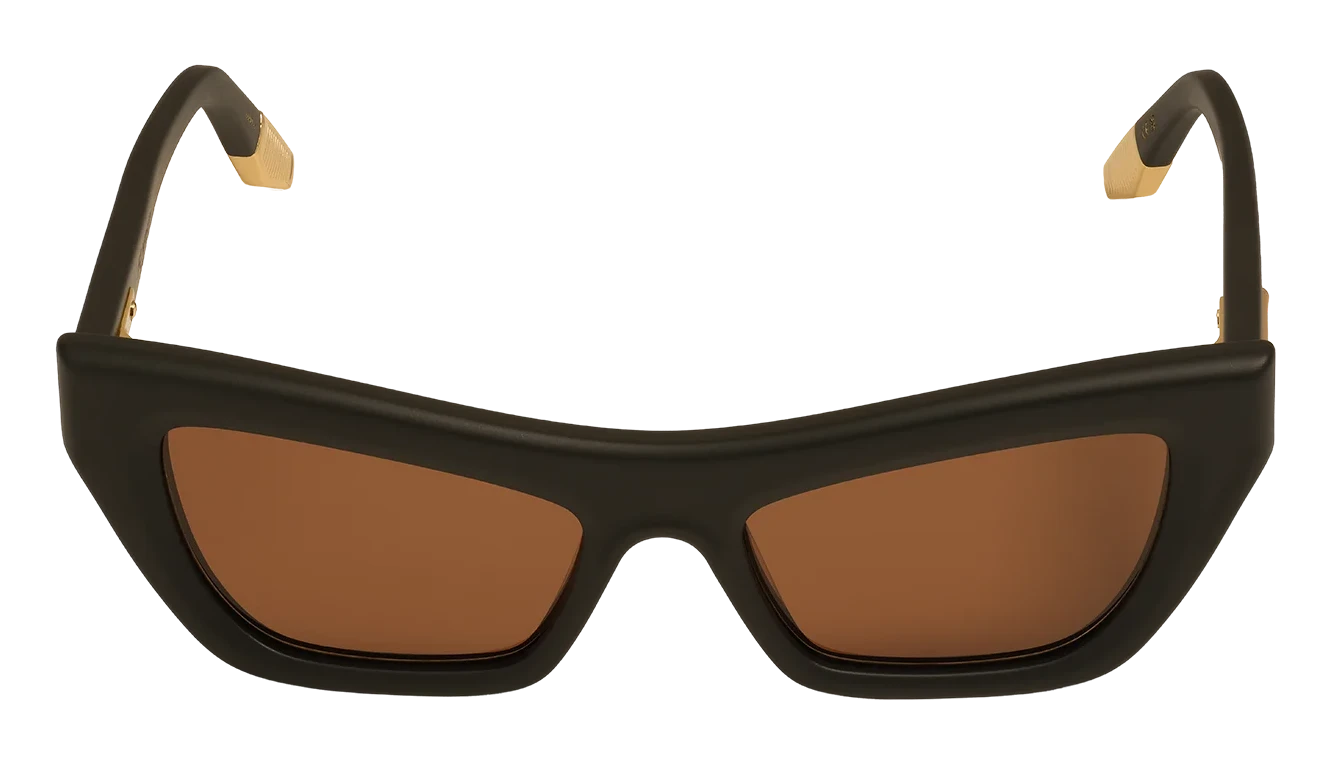
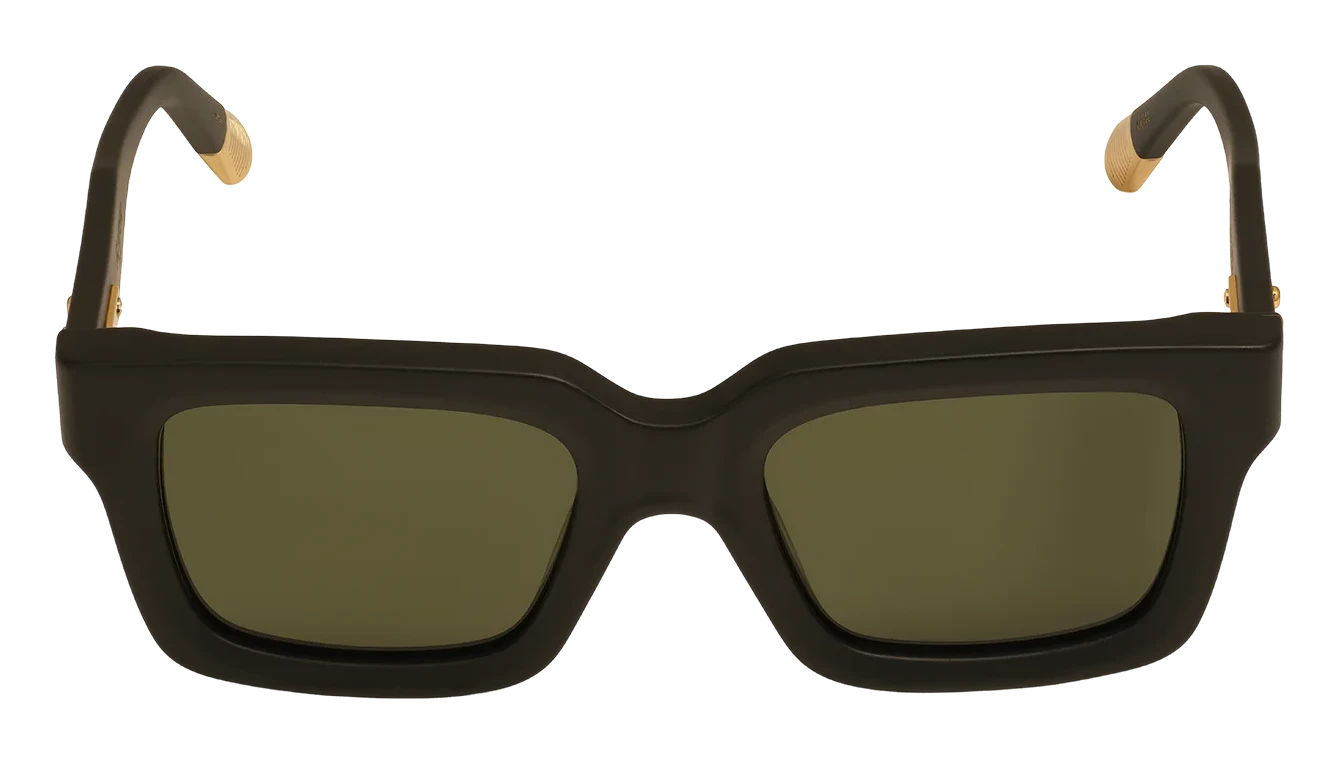
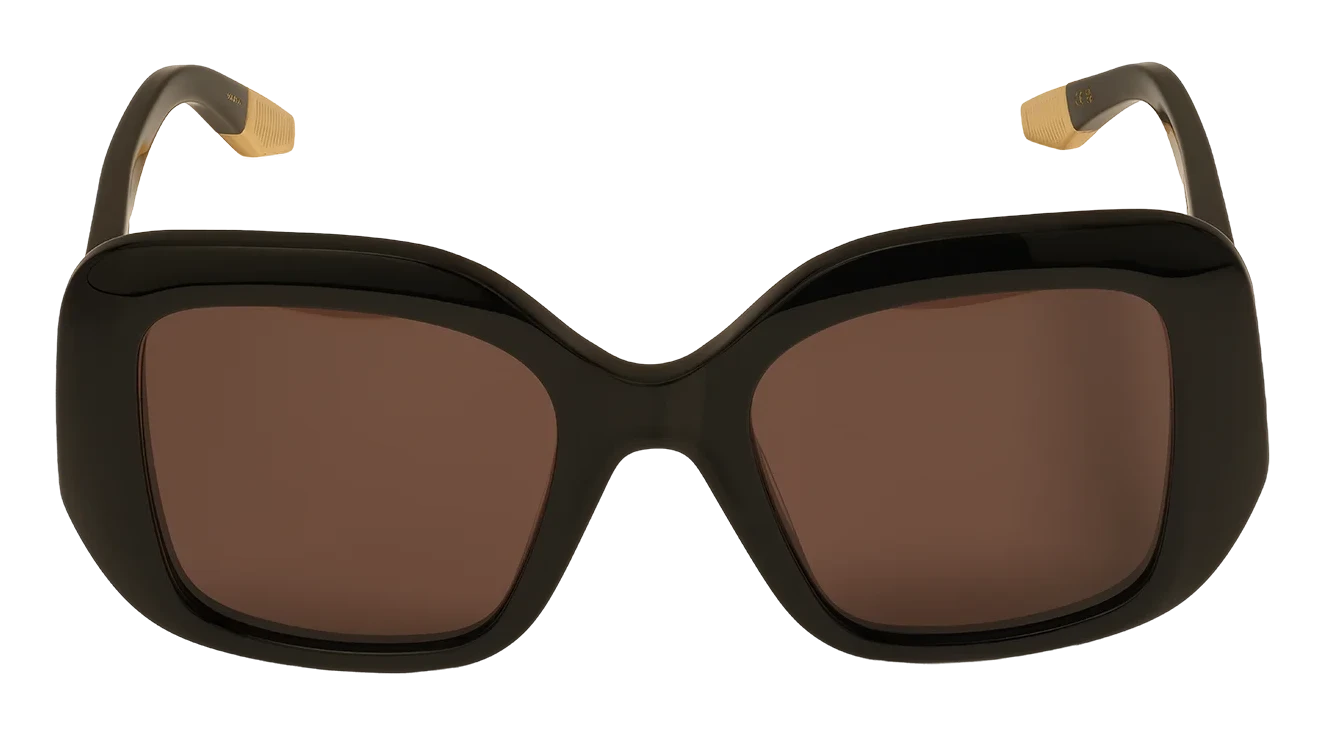
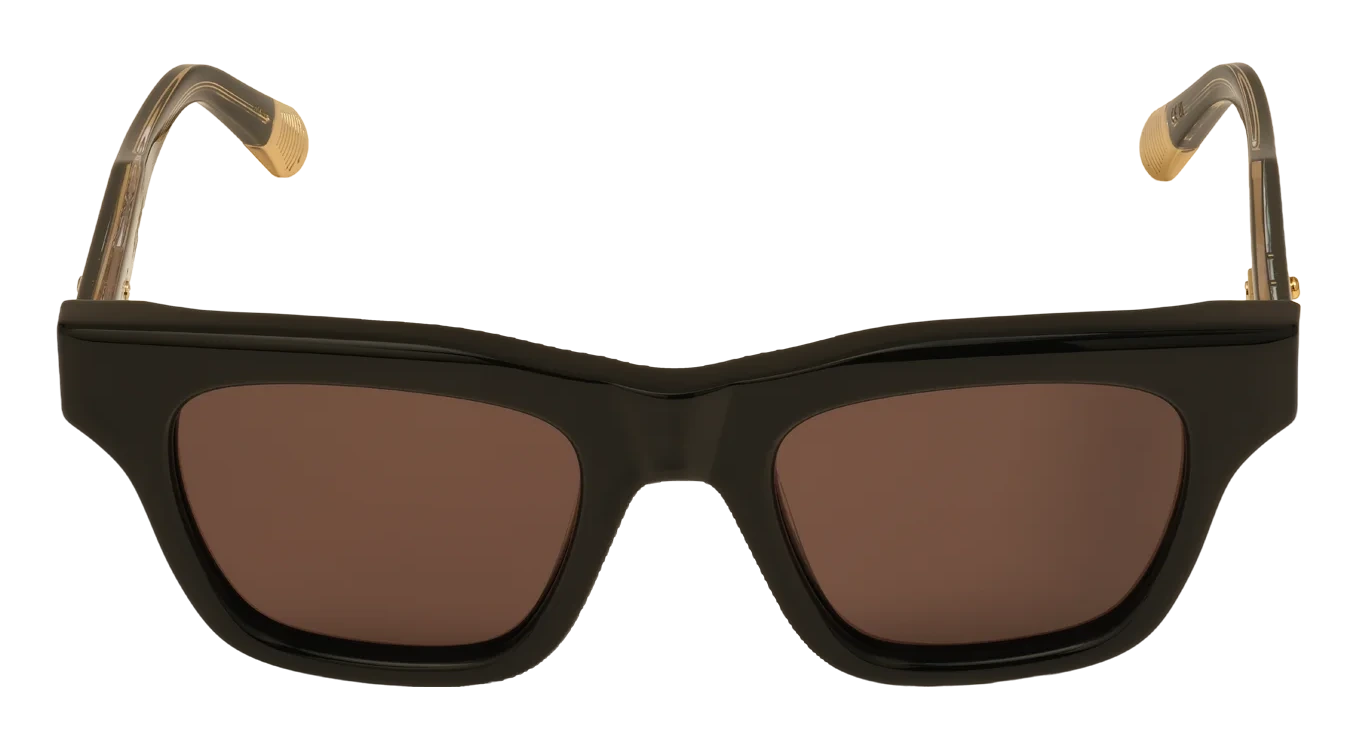
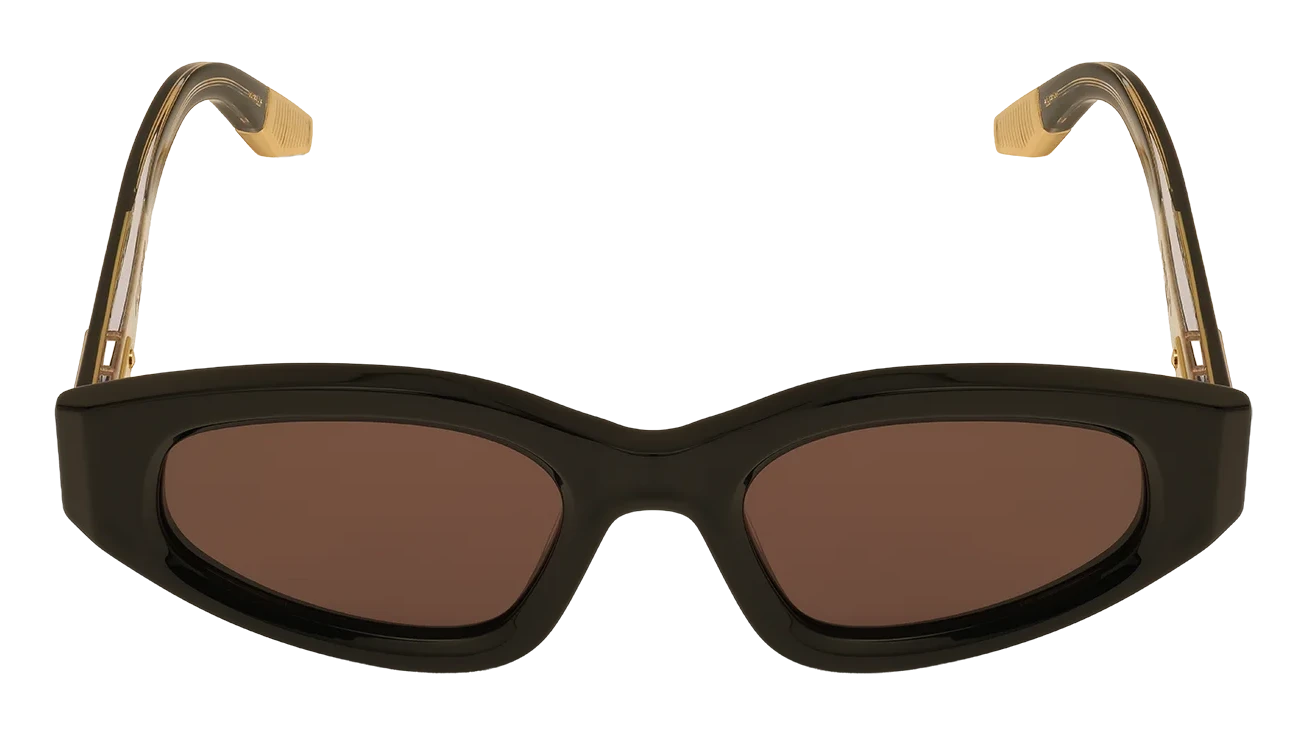
One hundred and fifty pieces per model. Then the series closes.
Thirty for the Carbon special editions. When they run out they are not reprinted.
Back to the flight plan